
Winter is in full swing in Minnesota – the golf courses are frozen solid. To keep our game in shape as a Minnesotan, we can either hit indoors at a simulator or head South to avoid the frozen tundra.
The bitter cold also buys us ample time to work on the most important element of this extraordinary game we call golf – the mental game.
The swing is a key piece to the golf puzzle. However, the golf game is all encompassing. The round starts and ends between the ears – whether what you are thinking is organized or haphazard.
Most amateurs arrive to the course with one thing in mind – hitting the 19th hole ready to tell their buddies how low their score was that day. What most amateurs also don’t remember is focusing solely on the swing is not going to bring you lower scores – it is putting in the work in all areas that will bring down your handicap.
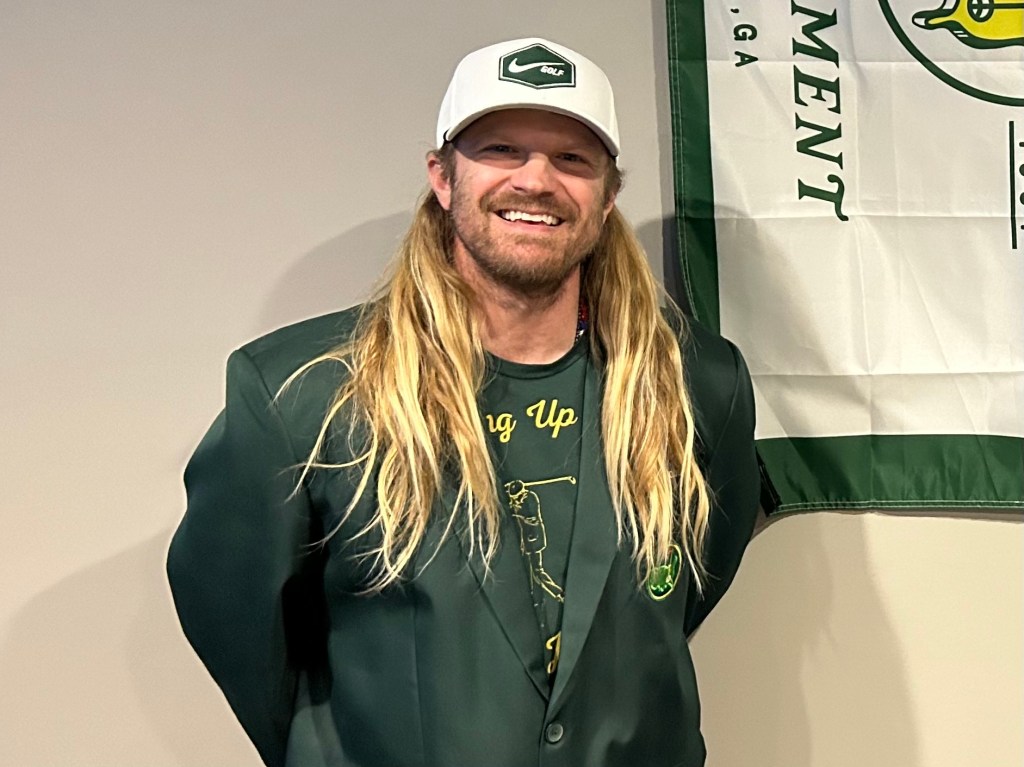
Owatonna native Brady Arnold – who spent a stint of time playing professionally – currently resides in Owatonna and is a professional instructor. He spends time daily with golfers of all ability levels and meets them on their golf journeys. “If you only focus on the swing, you are not going to score better,” Arnold said. “Golf involves the long game, mid game, short game and mental game. It starts with overall awareness and paying attention to what you are thinking about before you practice at the range or play on the course.”
Arnold and I have known each other since we were young kids. He has a unique ability to meet humans where they are at – regardless of them being a scratch golfer or a 110’er. His background in psychology and uber patient personality is recipe for helping golfers of all scoring tiers.
“Everyone has expectations and a timeline for getting better that they impose on themselves,” Arnold shared. “The most common thing I see is how amateurs are focused on the end score instead of taking it hole-by hole, shot-by-shot. Amateurs are often thinking about their swing with anywhere from 6-10 swing thoughts about where they want the ball to go. At a professional level, they are focusing on where they want to put the ball.”
As I conversed with Arnold, I had an epiphany. Although I play sparingly these days due to children and other commitments, I arrive at the range or course utterly unaware of my thoughts. I do, however, hit the range or course with horrendously negative swing thoughts and mental talk – hoping as many other amateurs to simply keep the ball in play.
“The last thought that goes through your head before you swing will happen about nine out of ten times,” Arnold said. I often find my brain telling my body not to hit the ball right. The more I think about it, I most often tug the ball left with the occasional straight shot mixed in. I may not hit a great shot – but if I don’t hit it right then my body did exactly what my mind told it to.
Arnold also shared that golf – as I agree – is very comparable to life. It has its high points and low, it can bring adversity in an instant, and it is all about how you react to playing the ball as it lies when you walk up to hit your next shot.
“A lot of people go through golf – like life – quite robotically,” Arnold said. “They get up and start the day unaware of their thoughts. Awareness is paying attention to what you see and where you want to go.”
Most amateurs have difficulty stringing together low scores on a consistent basis – largely because not all aspects of the game are clicking on all cylinders at the same time. One day you are driving the ball exceptionally but cannot make a putt to save your life. However, the next day the tables turn and the only reason you are keeping your score formidable is because you are getting everything up and down.
Regardless of where your handicap sits today, improvement is always possible. Remember that it starts and ends with the inches between your ears. The swing and understanding the mechanics is important – but a strong mental approach is vital to long-term success.
Until next month, hit ‘em long and straight – and most of all have fun!





 THE HUSKY BULLETIN